
Most people don’t want more photo editing tools.
They want faster results with fewer steps.
That’s exactly where Snapseed Scan Code changes the way people use the app.
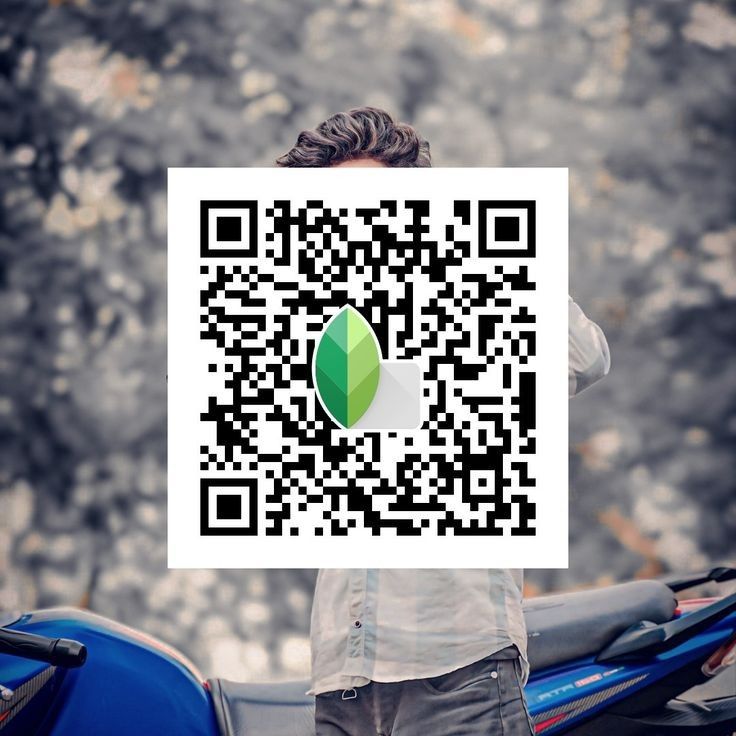
Instead of manually repeating the same edits over and over, Snapseed allows users to scan a code and instantly apply a complete editing workflow — lighting, color, structure, and fine details included.
But what makes Snapseed Scan Code different from presets in other apps is not speed alone. It’s control.

What Is a Snapseed Scan Code?
A Snapseed Scan Code is a QR-style code that stores an entire editing process created inside Snapseed.
When you scan the code:
-
Every adjustment is recreated
-
All tools remain editable
-
Nothing is locked or flattened
This means you’re not applying a fixed filter. You’re reloading a full editing recipe that you can still adjust to fit each photo. If you’re looking for aesthetic Snapseed QR Code styles and mood-based edits, Instagram is a great place to start.
Why Snapseed Scan Code Feels Smarter Than Presets
Most preset systems work like this: apply → accept → move on.
Snapseed Scan Code works differently.
After scanning, you can:
-
Change exposure if lighting is different

-
Adjust warmth for skin tones

-
Reduce contrast for softer scenes

-
Fine-tune details without breaking the look

This flexibility is why many creators use Snapseed Scan Code as a starting point, not a final result.
How People Actually Use Snapseed Scan Code
Experienced users rarely rely on one universal code. Instead, they build scenario-based scan codes, such as:
-
A low-light indoor Snapseed Scan Code
-
A high-contrast street photography code
-
A clean portrait editing code
-
A fast social media export code
With this system, editing becomes predictable and efficient. You already know which scan code fits the photo before you even open the app.
Snapseed Scan Code Works Offline — Anytime
Another reason Snapseed Scan Code remains popular is reliability.
Once Snapseed is installed:
-
No internet is required
-
No cloud syncing is needed
-
No account login is forced
You can scan, edit, and export photos anywhere — which makes Snapseed especially useful for travel, street photography, and on-the-go content creation.

Snapseed Scan Code for Consistent Visual Style
Consistency is one of the hardest things to maintain in photo editing.
Snapseed Scan Code solves this by letting users:
-
Reuse the same editing logic
-
Apply a recognizable visual tone
-
Keep colors and contrast aligned across posts
This is why many Instagram editors, bloggers, and photographers quietly rely on scan codes instead of switching apps or presets every month.
Who Should Use Snapseed Scan Code?
Snapseed Scan Code is ideal for:
-
Content creators managing multiple photos daily
-
Photographers building a personal style
-
Beginners who want structure without complexity
-
Advanced users who want speed without losing control
It adapts to your skill level instead of limiting it. For visual inspiration and creative Double Exposure ideas made with Snapseed, explore curated edits on Double Exposure Snapseed
Final Thoughts: Why Snapseed Scan Code Still Matters
Snapseed Scan Code isn’t about trends or shortcuts.
It’s about editing smarter, not harder.
By combining speed, flexibility, and full control, Snapseed turns photo editing into a repeatable system — one that grows with your style instead of replacing it.
That’s why, even in a crowded editing app market, Snapseed Scan Code remains one of the most practical tools for mobile photo editing today.