
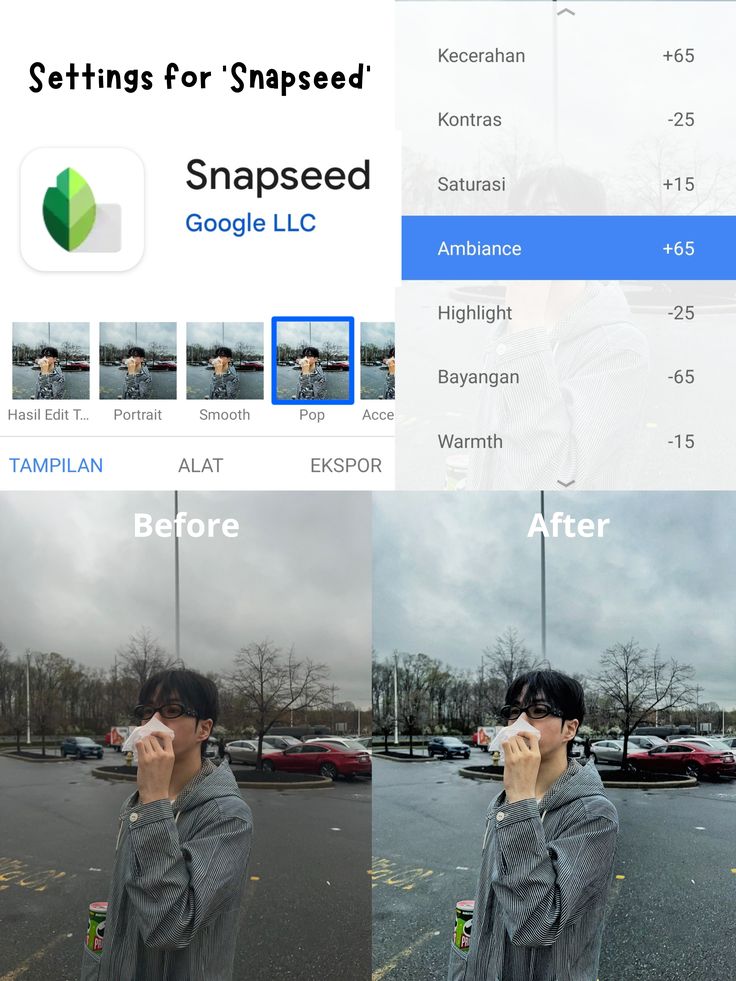
Mobile photo editing has become an essential skill for content creators, photographers, and everyday users who want their images to stand out online. One of the most common questions beginners ask is: how do I use Snapseed to edit photos? The answer starts with understanding the basics of Snapseed Edit, a powerful yet beginner-friendly editing workflow.
Snapseed is known for its professional-level tools combined with a clean and simple interface. By learning how to apply a proper Snapseed Edit, users can transform ordinary photos into visually appealing images without relying on expensive software. This guide explains the full Snapseed Edit process step by step, from basic adjustments to advanced styles, helping you edit photos confidently in 2026.
What Is Snapseed Edit?
Snapseed Edit refers to the process of enhancing photos using Snapseed’s built-in tools such as Tune Image, Details, Curves, White Balance, Selective, and Healing. Instead of applying random filters, a Snapseed Edit focuses on controlled adjustments that improve light, color, and composition.
Unlike many editing apps that rely heavily on presets, Snapseed allows users to customize every detail. This makes Snapseed suitable for beginners who want simple improvements as well as advanced users who need precise control over their images. For a deeper breakdown of tools, workflows, and professional techniques, you can read this in-depth guide on advanced Snapseed Edit methods.
Why Snapseed Is So Popular?
The popularity of Snapseed Edit comes from its flexibility and accessibility. The app is completely free and works smoothly on most devices, making it a reliable choice for daily photo editing.
Another reason is consistency. With Snapseed, users can apply similar adjustments across multiple photos, helping maintain a clean and recognizable visual style. Many photography blogs and learning platforms publish in-depth tutorials that show how Snapseed techniques compare with professional desktop editing workflows. You can explore step-by-step guides on trusted Snapseed editing resources to deepen your understanding.
Find more details here: Instagram: snapseed_qr_codes_
Step-by-Step Guide: How to Use Snapseed Edit
1. Import Your Photo: Open Snapseed and import the photo you want to edit. Always start with a high-quality image to get the best photos results.
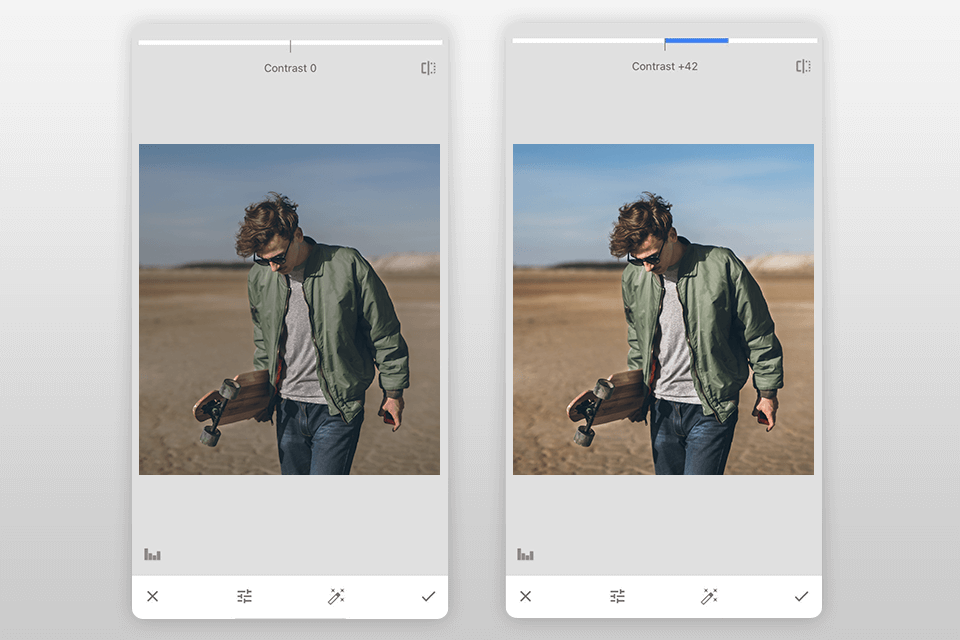
2. Adjust Image: The Adjust Image tool is the foundation of any Snapseed Edit. Adjust brightness, contrast, ambiance, highlights, and shadows to balance light naturally.
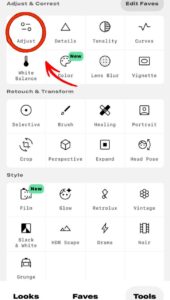
3. White Balance: Correcting white balance ensures accurate colors. A proper Snapseed often starts by adjusting temperature and tint to remove unwanted color casts.

4. Details and Structure: Use the Details tool carefully. Adding too much structure can make images look harsh, so subtle adjustments work best for a clean Snapseed Edit.
For a deeper explanation of how these tools affect image data, many educational photography websites offer technical breakdowns. One useful reference is this photo editing fundamentals guide.
Advanced Snapseed Techniques
Once you understand the basics, advanced Snapseed Edit techniques can significantly improve your photos. Tools like Curves allow precise control over highlights and shadows, while Selective edits let you adjust specific areas without affecting the whole image.
The Healing tool is also essential for a clean Snapseed, as it removes small distractions such as dust, blemishes, or unwanted objects. Many professional editors recommend combining selective edits with curves for a more refined result.
For creative inspiration, you can explore curated examples shared by popular photography communities and editing blogs. These platforms often showcase advanced Snapseed workflows and real-world use cases.
Popular Styles You Can Create with Snapseed
Portrait : Portrait edits focus on balanced skin tones, soft textures, and natural light. A portrait-style Snapseed Edit avoids heavy smoothing and keeps facial details intact.

Black and White: Black and white styles emphasize contrast, texture, and emotion. This Snapseed approach removes color distractions and highlights composition and light.

Aesthetic: Aesthetic edits use soft colors, gentle highlights, and cohesive tones. This style of Snapseed is often used for lifestyle and social media content.

Light & Airy: Light and airy edits brighten images with lifted shadows and clean highlights. This Snapseed Edit style creates a fresh and modern look that feels open and inviting.

For additional style ideas, many online preset galleries and creator communities publish visual examples and editing breakdowns. Browsing these editing inspiration collections can help you experiment with new looks.
Common Mistakes to Avoid
One common mistake is over-editing. A good Snapseed should enhance the photo without making it look artificial. Avoid extreme contrast, oversharpening, or excessive saturation.
1. Over-editing the image
One of the most common mistakes is pushing adjustments too far. Excessive contrast, oversharpening, or extreme saturation can make photos look unnatural. A good Snapseed Edit should enhance the image subtly rather than overpower it.

2. Ignoring lighting conditions
Each photo is taken under different lighting conditions. Applying the same settings without considering available light can lead to dull highlights or crushed shadows. Always adjust brightness, highlights, and shadows based on the original photo.
3. Using too much structure or detail
The Structure and Details tools are powerful, but overusing them can create harsh textures and noise. It is better to apply these tools lightly to preserve a clean and natural look.
4. Skipping final review before export
Many users export images too quickly. Before saving, zoom in to check edges, skin tones, and small details. A quick final review ensures your Snapseed Edit looks polished across different screen sizes.
Snapseed for Social Media
Consistency is key on social platforms. Using a similar Snapseed style across posts helps build a recognizable visual identity.
Creators who want to improve engagement often study how image quality and consistency affect performance. Insights and case studies are frequently shared on reliable content strategy and digital marketing websites that analyze visual trends.
Conclusion
Learning how to use Snapseed effectively starts with mastering a simple and structured Snapseed Edit workflow. By understanding the tools, applying balanced adjustments, and experimenting with different styles, anyone can improve their photo editing skills.
With practice, Snapseed becomes a fast and reliable method to create high-quality images suitable for modern digital platforms.
Frequently Asked Questions (FAQ)
1. Is Snapseed suitable for beginners?
Yes, Snapseed Editing is beginner-friendly and does not require prior editing experience.
2. Can Snapseed replace professional software?
For many use cases, Snapseed offers enough control to achieve professional-looking results on mobile devices.
3. Does Snapseed reduce image quality?
No, Snapseed applies adjustments without compressing the original image.
4. How long does a Snapseed Edit take?
A basic photo can be completed in just a few minutes once you understand the workflow.